Interior Design Trend: Color Drenching
the esd journal

Interior Design Trend: Color Drenching
Trends are a touchy subject in the design industry. On the one hand, we want our spaces to reflect modern sensibilities and be refreshing, new environments. On the other, we don’t want our clients to tire of their home and long for something new as the trend fades into the annals of history. So we tend to shy from trends and work, instead, with the historical context, architectural beauty, and organic flow and feel of the home when approaching its rooms. However, occasionally a trend creeps into the spotlight that immediately catches our attention. One such interior design trend is color drenching.
What is Color Drenching?
Color drenching is the unique response to the popular white wall trend, or Millennial Beige look. It takes the concept of all white or beige and uses color theory and slight optical illusion to create a dramatic and expansive space that moderates the user’s experience through color. Color drenching primarily involves painting the walls and ceiling all in the same color, but can branch out to other areas, objects, and elements for the space. Pulling these pieces into the fun and expanding the concept for bigger and bolder impact.
Use dark, rich colors to drench the room in moody drama to create intimate retreats. Or choose lighter hues to infuse a room with a sense of lightness, serenity, and sophistication.
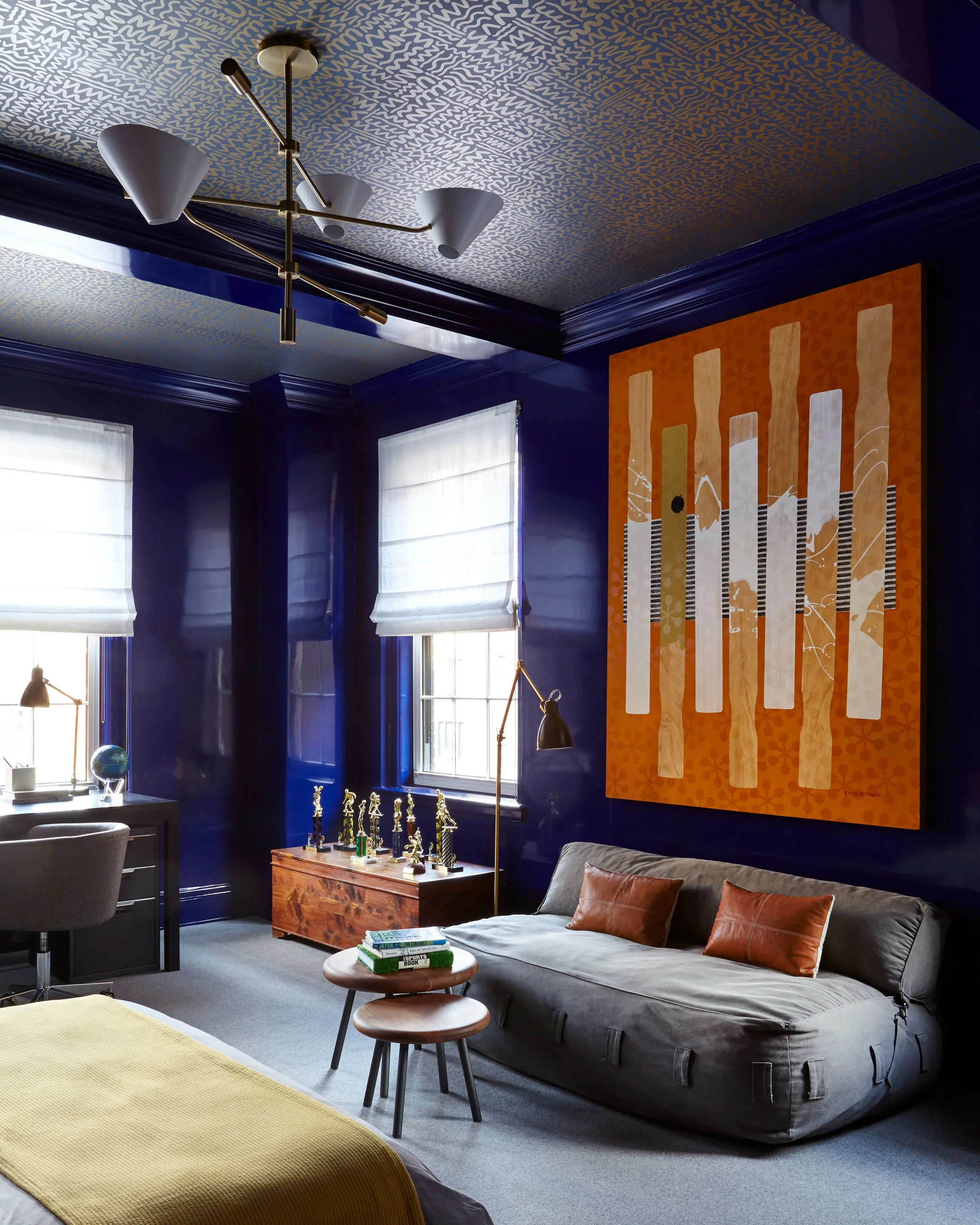
PC: JOSHUA MCHUGH
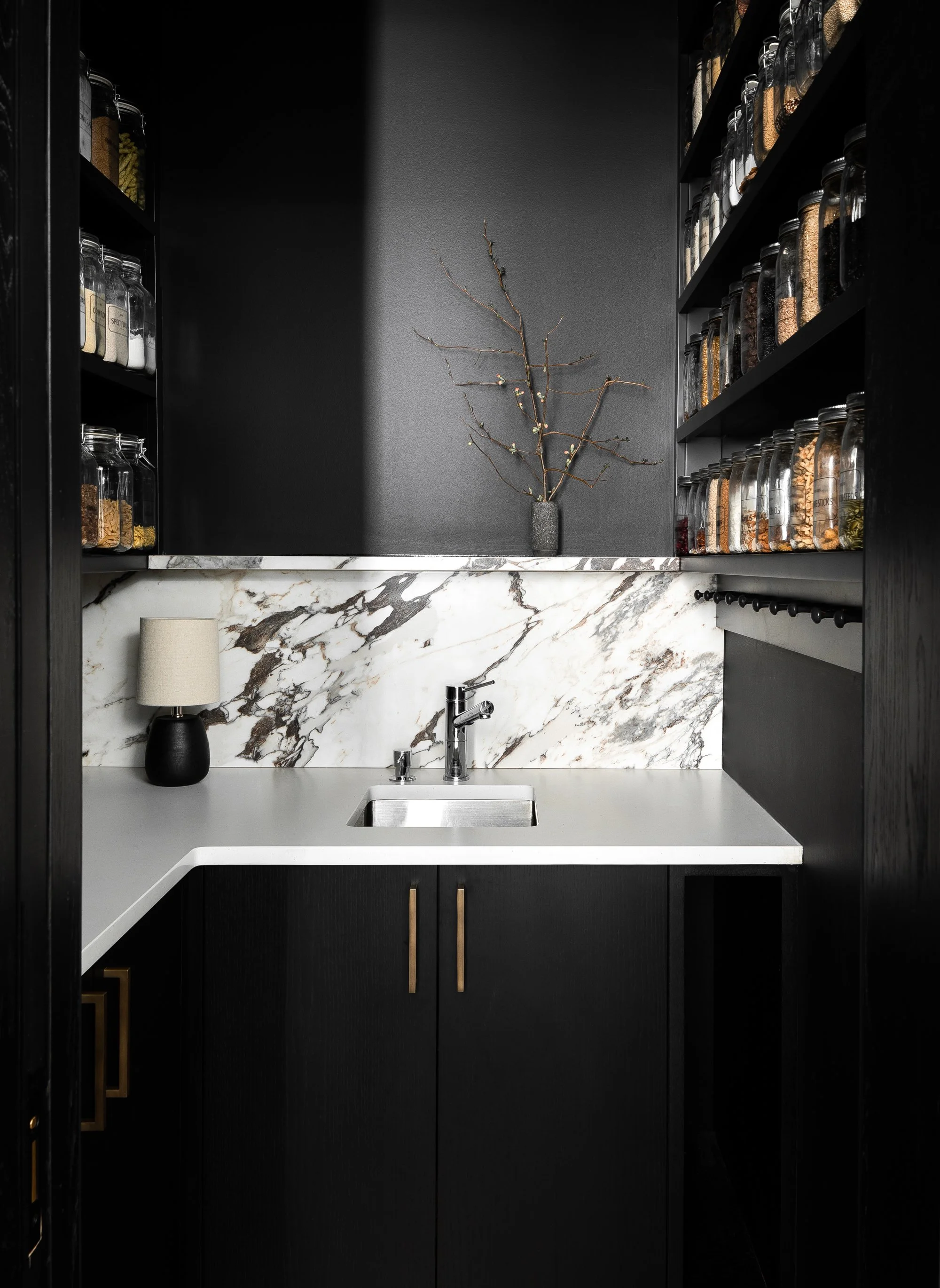
PC: HARIS KENJAR
Using Color Drenching In Interior Design
This monochromatic approach to wall color can seem overwhelming, but when used properly, it can create an impactful visual and sensory experience.
Using the same color from ceiling to floor gives the illusion of expansion and height, transforming smaller spaces into roomier environments. This immersive experience of color does not need to be limited either. Though only one color is used, the finish of the paint can vary — matte, gloss, or semi-gloss — to integrate multiple textures while maintaining the color scheme. What’s more, the color can be dragged into the furniture and light fixtures as well, mixing materials as opposed to colors to create a cohesive, monochromatic theme.
In practice, color drenching is applied to tiles, window treatments, rugs, and cabinets, the flush of color only being broken by windows, countertops, art, hardwood floors, and other smaller design elements.

The Science of Color Drenching
Colors speak to us. In many ways, the color used in a particular space determines not only how one feels when entering but how that room is used, what it says to guests, and how one feels in the home as a whole. Commonly, green represents freshness, renewal, and growth. Blue speaks to loyalty, calm, success, and purpose. While a color like yellow might say positivity, curiosity, and happiness.
These simplistic color meanings are deepened as the hue itself changes. Darker colors infuse the room with intrigue, intimacy, and moody luxe vibes. While lighter colors inspire more delicacy, elegance, and openness.
Finally, certain colors can absorb or reflect light, add warmth or coolness, create more depth, or bring out the architectural features of a room. Choosing the right color matters, especially if it is the only color used in that space.
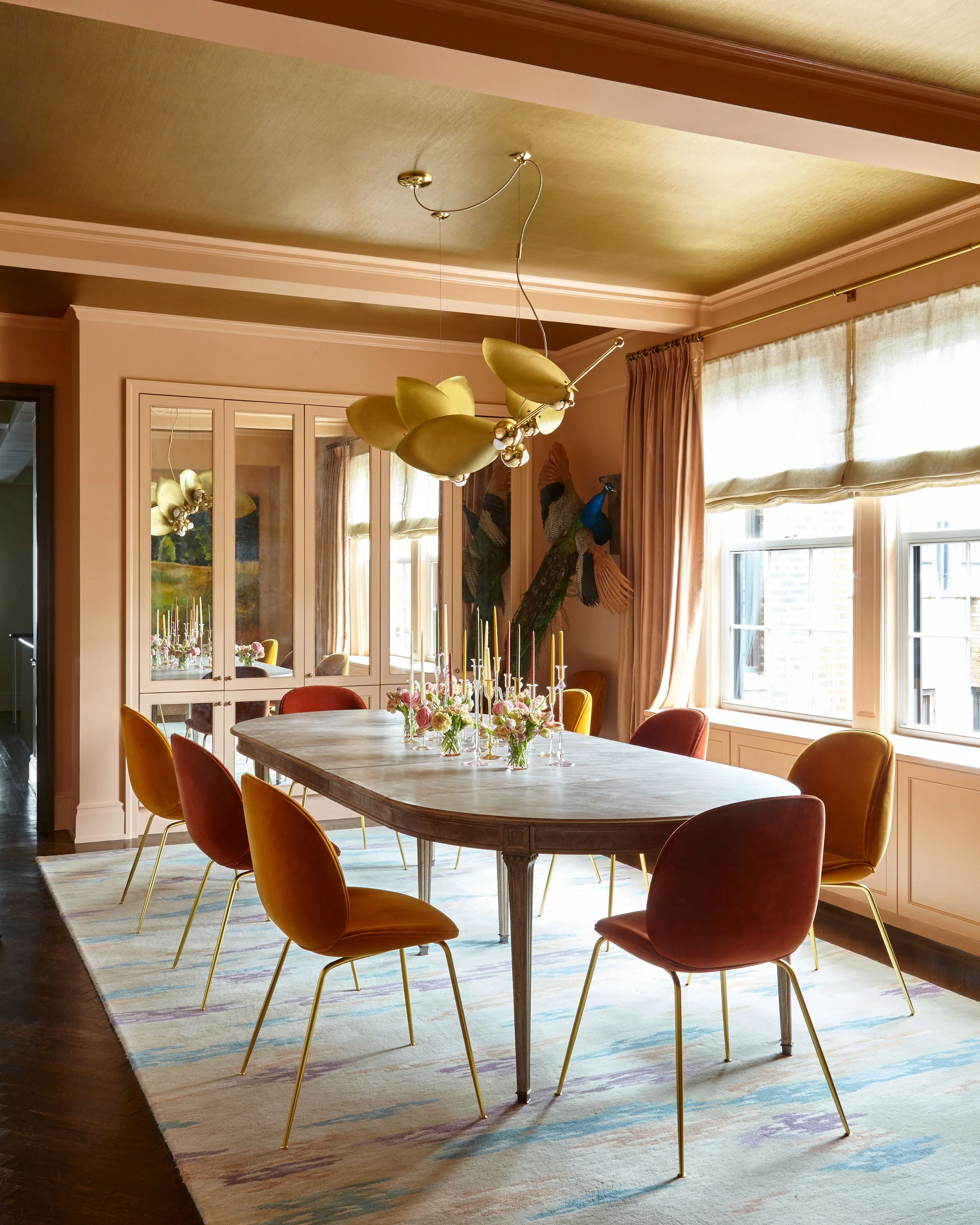
PC: JOSHUA MCHUGH
Accenting Color Drenching
Though color drenching suggests the entire room, and everything in it, be one color, this approach to color is not successful without its complementing pieces and accents.
Color drenched rooms demand some variance. Utilize furniture and art to break up the monotony and spark intrigue in every aspect of the room. You may choose to implement metallic lighting, mirrors, and frames. Or use wood, stained in a complementing dark or light shade, to cut through the color.
The drama is created through the brazenness and volume of one single color, the nuance is established by the accenting pieces, and the final product leaves a lasting impression by how well the two work together.
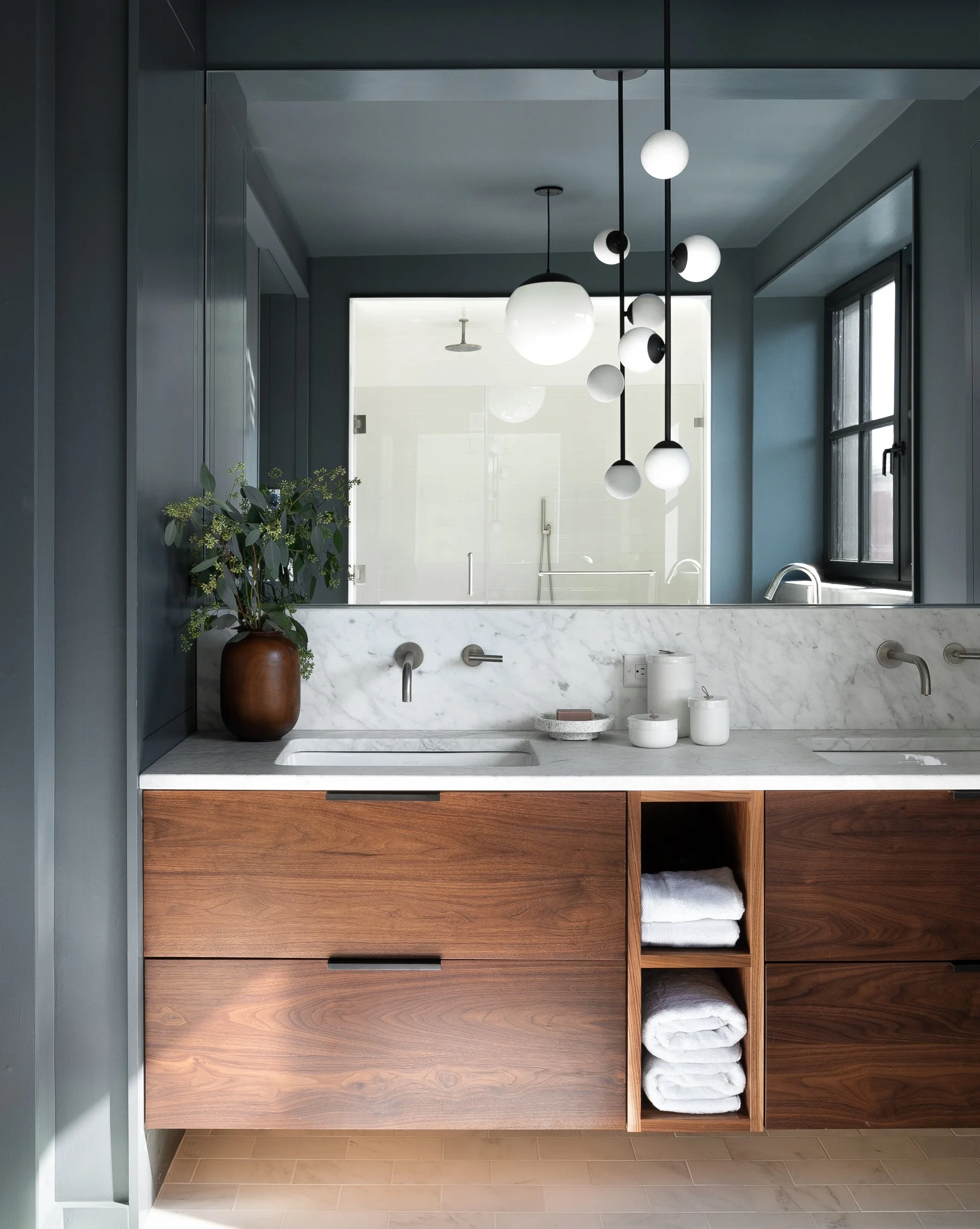
PC: HARIS KENJAR

PC: RICHARD POWERS
Top Photo Credits:
INTERIOR DESIGNER: ELAINE SANTOS
ARCHITECTS: BARLIS WEDLICK
GENERAL CONTRACTORS: MICHAEL GEROSA AND VICTOR PAREDES
PHOTOGRAPHER: JOSHUA MCHUGH